
Indus Waters Treaty and the Fundamental Change of Circumstances: Misinterpretations and Misapplications of International Law
India’s demand to modify the historic Indus Waters Treaty based on “fundamental change of circumstances” is legally flawed.


India’s demand to modify the historic Indus Waters Treaty based on “fundamental change of circumstances” is legally flawed.

This article critically examines India’s response to the April 2025 Pahalgam terrorist incident, arguing that actions such as blaming Pakistan and suspending the Indus Water Treaty were illegal, unethical, and in violation of international law.

India’s “abeyance” of the Indus Waters Treaty (IWT) is legally questionable under international law, violating obligations to Pakistan.

This paper argues that the discussion around drone warfare is ideologically skewed and examines potential impact of AI in drone warfare

An analysis of the ICJ’s advisory opinion on Israeli occupation of Gaza, the West Bank of the River Jordan, and East Jerusalem

Assessing compliance with provisional measures in South Africa v. Israel and what the Court can do to improve adherence to its orders

Justice Pal’s powerful dissent at the Tokyo Trials after the Second World War where he challenged the very premise of the trials themselves

International law – mainly its main actors – has failed to provide care for all

Expectations from the International Court of Justice’s upcoming advisory opinion on Palestine
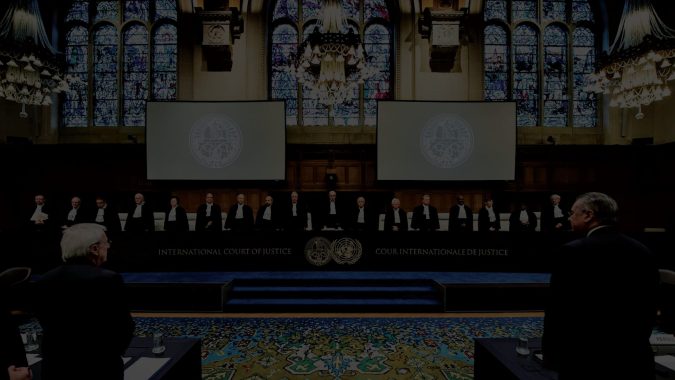
The CERD’s compromissory clause allowing States to bring disputes under the Convention to the ICJ is misused for strategic gains, rather than as a means of seeking redress.